
A Day in the Life
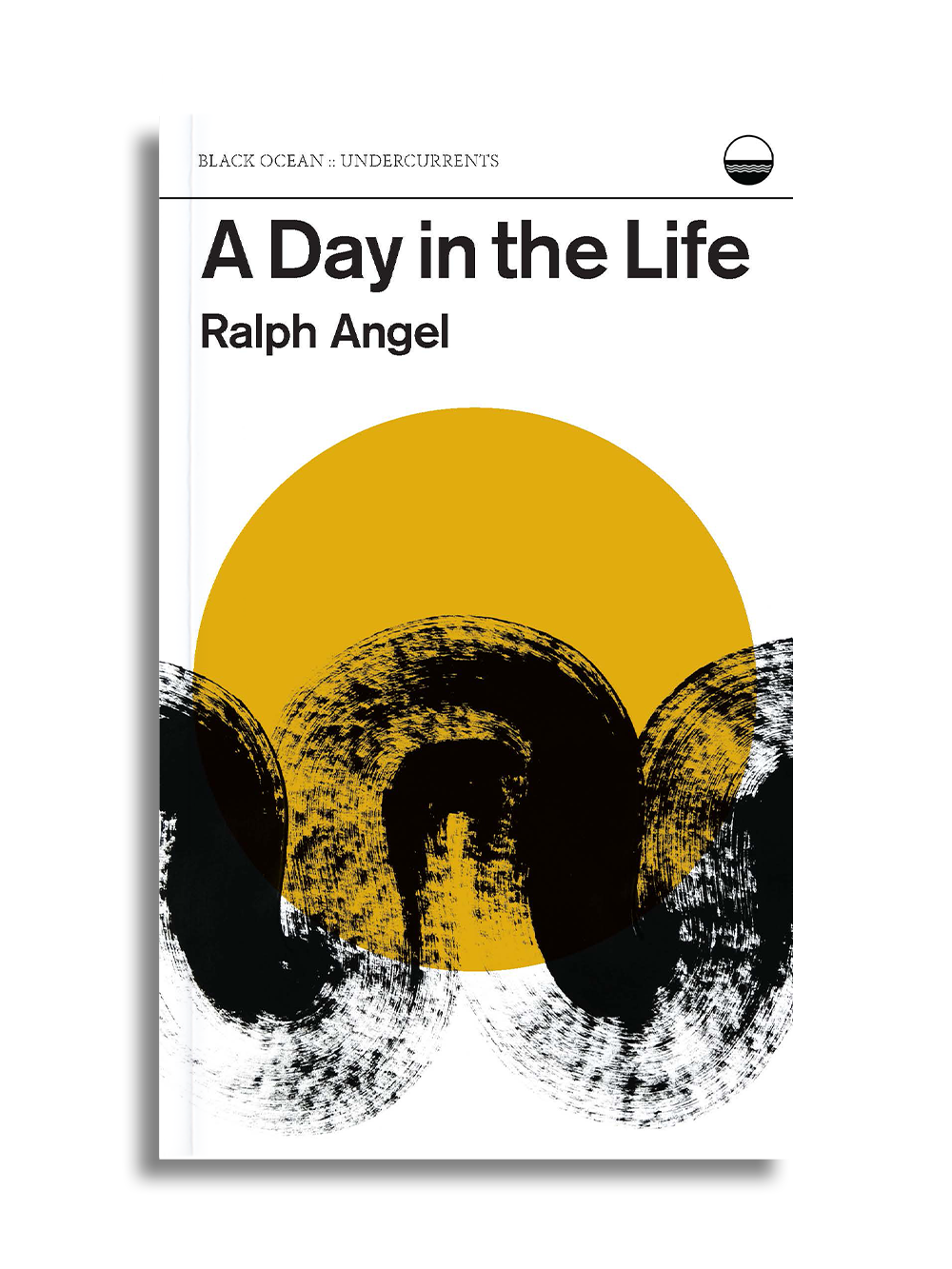
A Day in the Life
by Ralph Angel
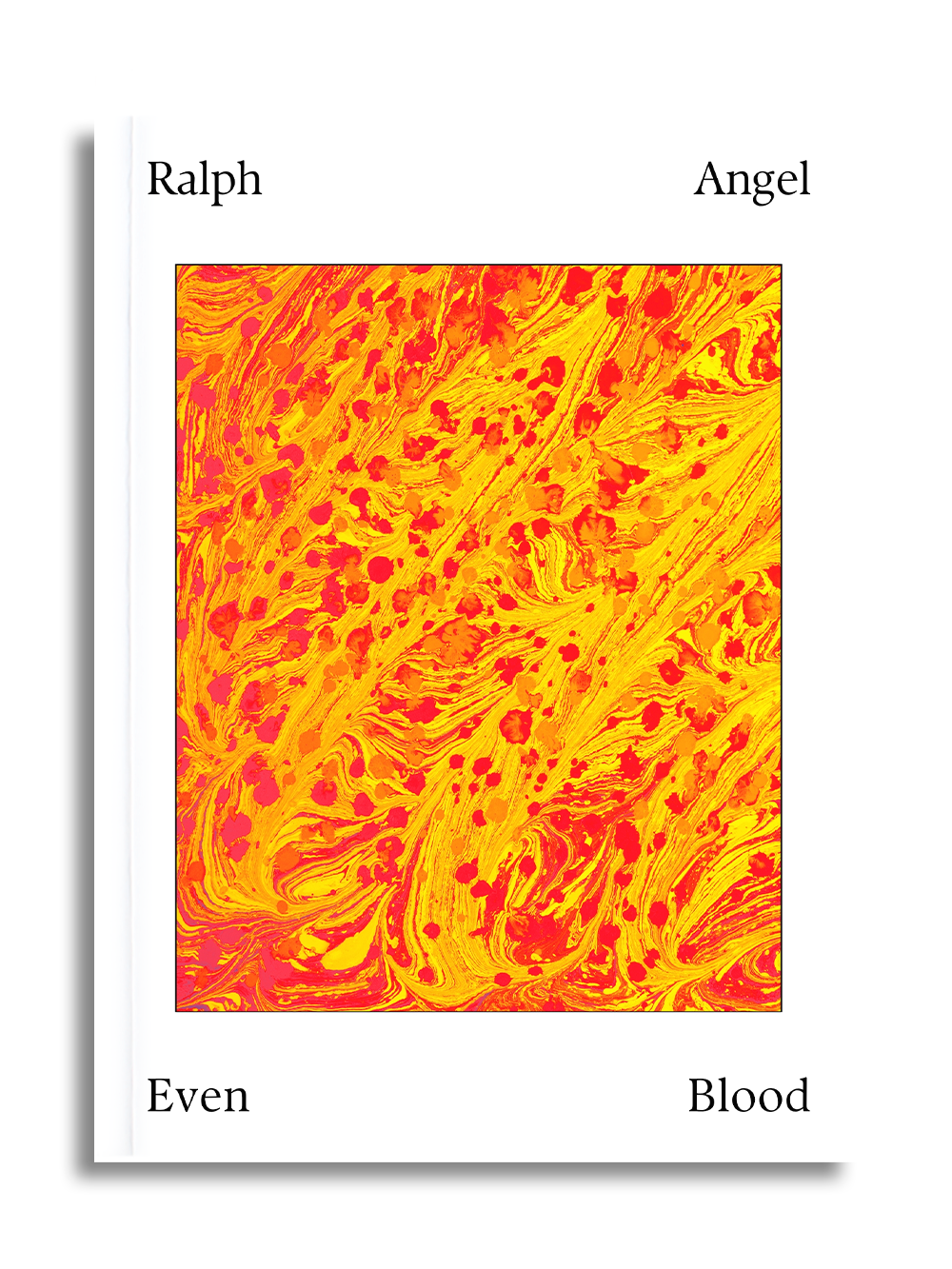
Paperback / 120 p. / Poetry
ISBN: 978-1-965154-21-2
Preorder now for a Fall 2026 release or subscribe to our 2026 catalog for free shipping
A collection of essays by poet Ralph Angel, a second-generation American of Sephardic Jewish descent, that reflects on his upbringing, his relationship to language, and the poetry and art that have been his greatest influences.
“I speak the word I because I am not anyone or anything else. I am my strangeness, my presence. And by acknowledging it thus, by naming it, I am intending, hoping, I am going elsewhere, toward what I am not.”
Drawn from his reflections on being a distinguished translator of Federico García Lorca as well as the lectures he delivered while a longstanding member of the faculty of the Vermont College of Fine Arts, these essays smash conventional truths about writing by showing us that fragmentation has a symmetry of its own and demonstrating that the distinction between poetry and prose is, to say the least, superfluous.
Including a foreword by David St. John, these are essays that reveal that Angel was as close and as engaged an observer of artworks of all kinds as he was the world that formed his poems.
Ralph Angel (1951–2020) was the Edith R. White Distinguished Professor at the University of Redlands, where he shaped the Creative Writing Department and taught for 39 years, and a member of the MFA in Writing Faculty at Vermont College of Fine Arts. His last collection of poems, Your Moon, was awarded the Green Rose Poetry Prize. Exceptions and Melancholies: Poems 1986-2006 received the PEN USA Poetry Award, and his Neither World won the James Laughlin Award from the Academy of American Poets. In addition to five books of poetry, he also published an award-winning translation of the Federico García Lorca collection, Poema del cante jondo / Poem of the Deep Song. His later work included entropia, a collection of thirty-one fine art images, and Strays, a limited-edition chapbook of poems.
“In Ralph Angel’s poems, one senses that one is sitting before an almost finished painting of which he is the hapless, skeptical narrator, simultaneously distracted by and attuned to just one tiny red dot (blood?) of hopefulness drifting off somewhere there in the corner. How did we, too, find ourselves in this mirrored, Velásquez-angled infinitude, and with this somehow trusted yet unreliable narrator who has found access to our very souls, however tenuous, however steadfast? In almost every poem, you can hear Ralph Angel responding, ‘I don’t know, you tell me.’”
“In his account of translating Lorca’s Poema del cante jondo, Ralph Angel writes of translating the duende in the poems: ‘music itself became a constant companion: Lorca was a minstrel, and he understood poetry as an oral expression.’ The way he allows us to enter Lorca’s heart and mind, its rhythms, is the principle that guides his accounts of an incredible, divergent variety of artists, musicians, writers, personal photographs, and artworks. In his note-like prose, we hear his voice whisper intimately to us. What we have here is an entrance into the mind of one of the major poets of the last century, leaping, as his poems, often included here, do, from one perception to the next. As he writes, quoting Benveniste: ‘consciousness of self is only possible if it is experienced by contrast.’ It is this flexible consciousness that we enter into in this book, one that expands our own consciousness, not only of this in a major poet but of his artistic process itself.”